PREVIOUS

Glossary

NEXT

Michigan Environmental Education Curriculum
The Great Lakes Ecosystem

Chlorophyll

This chemical absorbs the sun's energy and converts it into food for plants.

Return to Lesson


Food Web

A food web is a way to map out relationships between predators and prey. For example, a salmon, the predator, depends on eating other fish, the prey, to stay alive. Now imagine writing down what the other fish in the lake eat for food, such as algae and other fish. By linking all of these relationships together we create a food "web" that accounts for the food of every living organism in the lake.

Return to Lesson


Glacier

A glacier is a massive piece of ice than can be up to a mile thick. They move slowly across the landscape. During ice ages they cover large portions of continents.

Return to Lesson


Phytoplankton

(fito plank ton) -  floating algae that use the sun's light to make energy.

Return to Lesson


Producer

A producer takes the sun's energy and converts it into energy for itself.

Return to Lesson


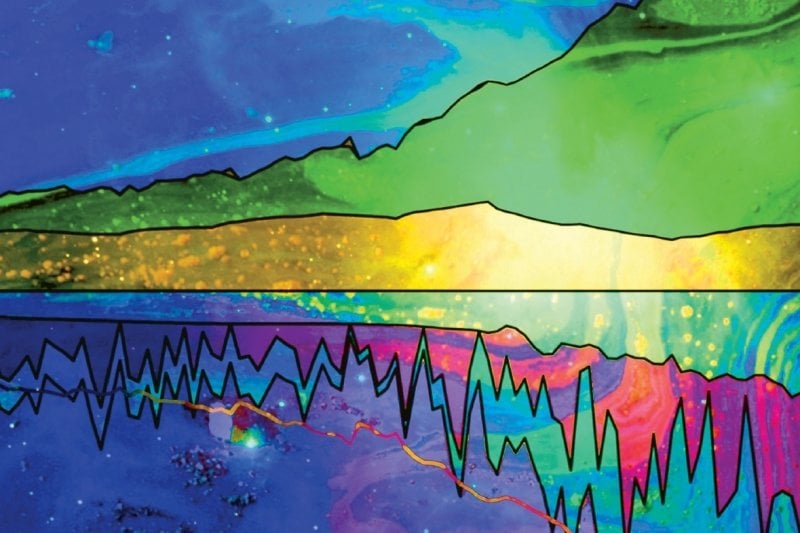
Profile View

A profile view displays an object from the top to the bottom as a side view.  Imagine taking an apple and cutting it in half. This view of the apple is a profile view. 

Return to Lesson


Start > Title > Site Map > Credits > Glossary > Help
Michigan Tech > Tech Alive > Series Index > Michigan Environmental Education Curriculum > Module Index > Ecosystems